Fields of Study
Composite Materials
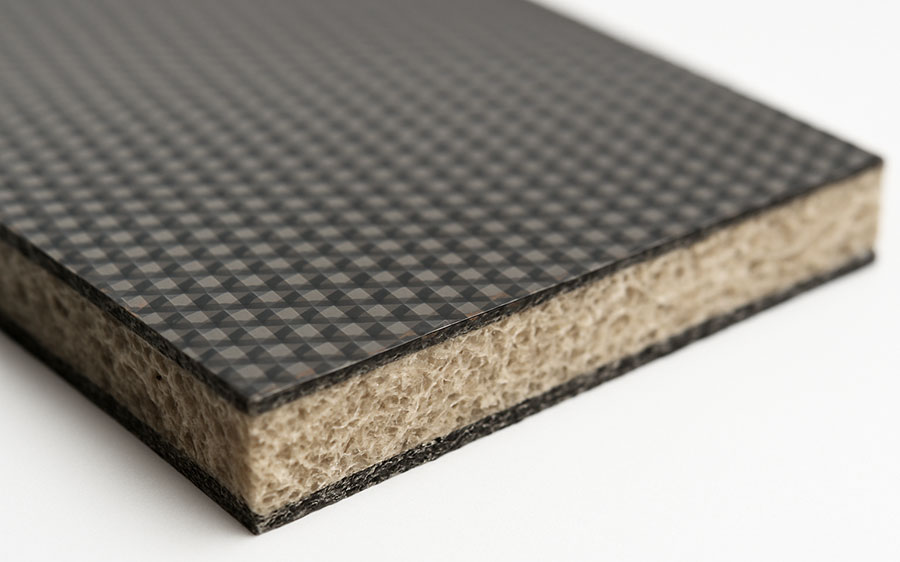
Composite materials are engineered materials made by combining two or more distinct materials to achieve superior properties compared to the individual components. These materials are designed to provide a combination of strength, durability, weight reduction, and other desirable characteristics that are not typically found in monolithic metals, ceramics, or polymers.
Composite Materials:
1. Fibre Composites:
2. Particulate Composites:
3. Laminate Composites:
4. Hybrid Composites:
Porous Metals
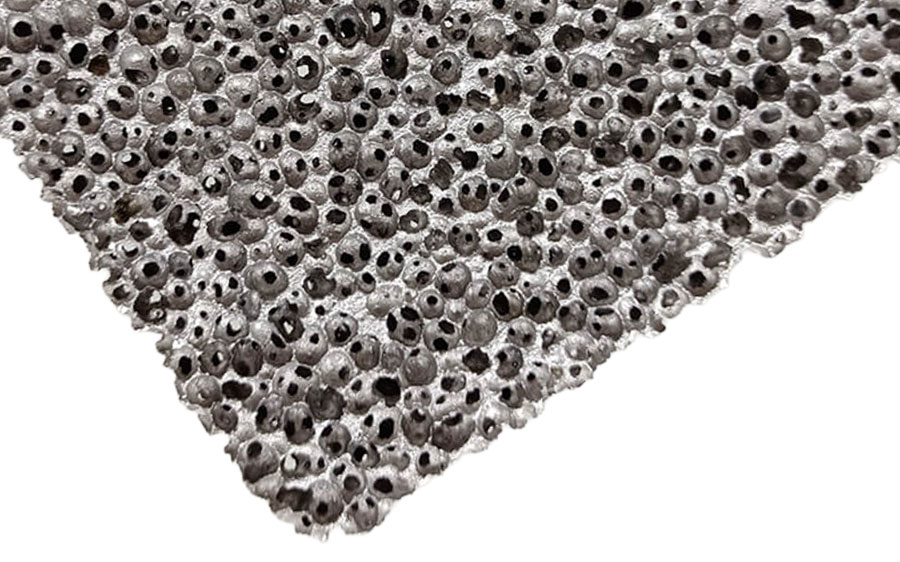
Porous metals are materials characterized by a network of pores or voids within their structure. These metals typically have a lower density compared to solid metals due to the presence of air-filled pores. Due to their unique microstructure, porous metals exhibit a range of distinctive properties, making them highly advantageous in various engineering applications. These materials strike an excellent balance between lightweight characteristics and functional performance, offering solutions for applications where traditional solid metals may fall short. Some of the most common uses of porous metals include medical devices, such as bone scaffolds, as well as filters, catalysts, lightweight structural components, and heat exchangers. The primary manufacturing techniques for porous metals include powder metallurgy, additive manufacturing, and foaming processes, according to specific application requirements.
Intrested In Collaboration?
Adress: Technical University of Cluj-Napoca, Materials science and engineering Department, B-dul Muncii, nr.103-105, room E101, 4000641, Cluj-Napoca, Romania
E-mail : Gyorgy.Thalmaier@sim.utcluj.ro
Are You Interested in Collaboration?
We’re here to help!
If you have any inquiries about our research, collaborations, or academic opportunities, please don’t hesitate to contact us using the form below.
We’ll get back to you as soon as possible.